

Introduction
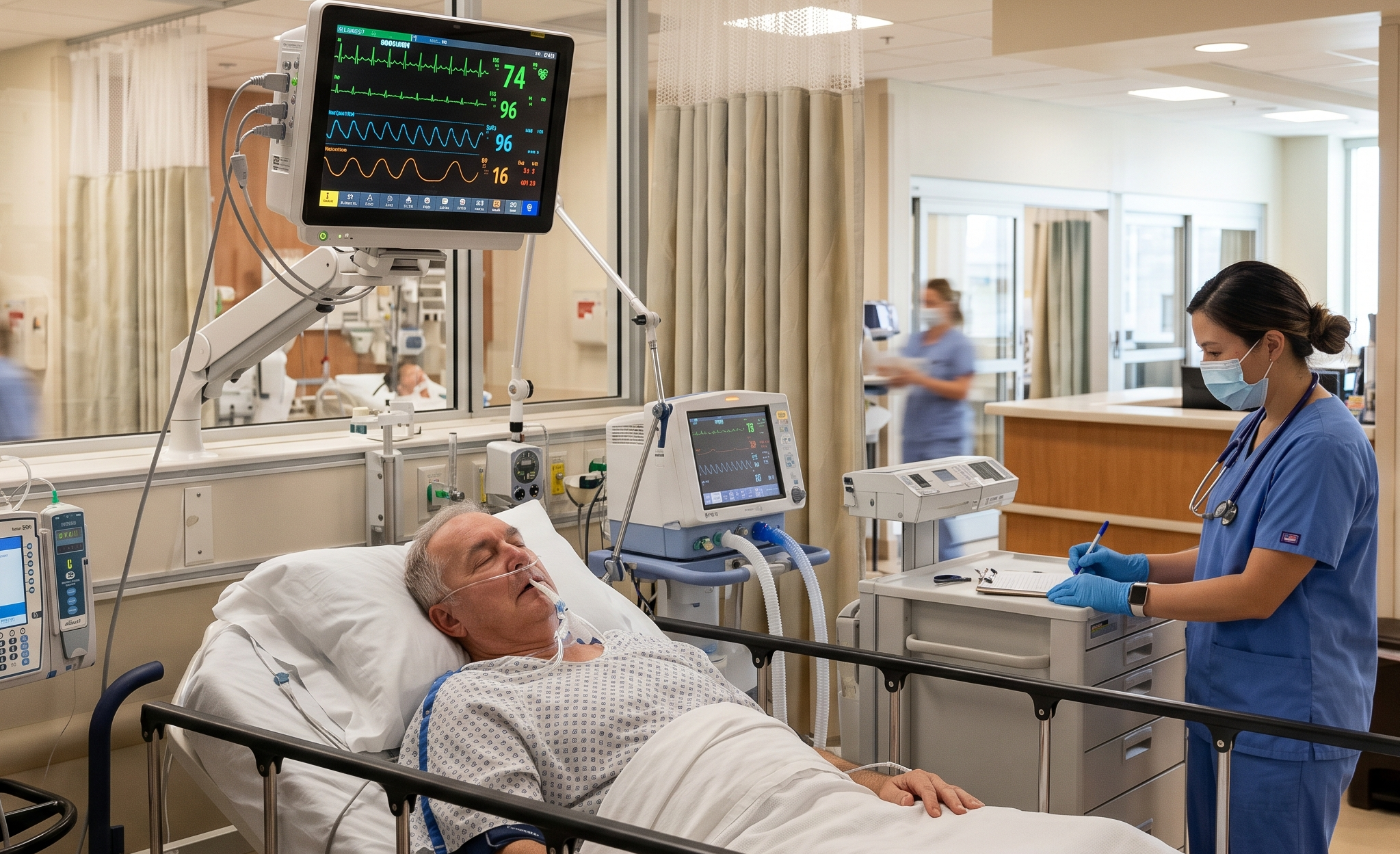
Real-time cardiovascular risk prediction enables healthcare providers to detect critical events such as heart attacks and strokes before they occur. Hospitals and emergency care providers often face challenges in identifying high-risk patients in time, especially in fast-paced clinical environments. Delayed detection can lead to severe complications and increased mortality. By leveraging real-time analytics and predictive modeling, healthcare organizations can continuously monitor patient data, identify risk patterns, and alert clinicians proactively for timely intervention.
Customer
Hospitals and emergency care providers managing cardiovascular patients.
Business Objective
- Predict heart attacks and strokes in advance
- Enable real-time alerts for clinicians
- Improve response time in emergency situations
- Enhance patient monitoring and care quality
- Reduce risk of severe complications
Scope of Services
- Real-time patient monitoring using streaming analytics
- Short-term and long-term cardiovascular risk prediction
- Integration of predictive models into clinical workflows
- Continuous data processing for early risk detection
- Alert systems for proactive clinical intervention
Benefits
- Improved patient care through proactive monitoring
- Reduced emergency incidents and critical events
- Faster clinical response to high-risk situations
- Better visibility into patient health conditions
- Enhanced decision-making for clinicians
Impact
- Early intervention in high-risk cardiovascular cases
- Reduced complications and emergency escalations
- Improved patient outcomes
- More effective management of chronic conditions